
Unified Communications
Power of Unification
Power of Unification
What is Unified Communications
What is Unified Communications AKA UC. It might a be simple question but we often hear confusing answers . If this question was posed 15 years ago forwarding voice message to email would be the answer. But in this current generation it is much more powerful and interestingly consolidated in to a single application. Integrating all forms of communication mediums such as Audio calls, Video conference(VC), Instant Messaging(IM), content sharing, presence , voicemail to fax into a single application is a perfect meaning for unified communications(UC). Unified communications provide easier ,consistent user experience. UC makes remote communications efficient , centralize workflow and lets the user from anywhere with a touch of a button, most importantly with minimal equipment.
UC systems can be deployed on premise or cloud based systems. In the current scenario cloud based are more widely accepted due their robustness and enhanced security features. Further cloud based are cheaper to implement as they do not have any infrastructure costs. Cloud based UC solutions are delivered as a service which is popularly termed as UCaaS.
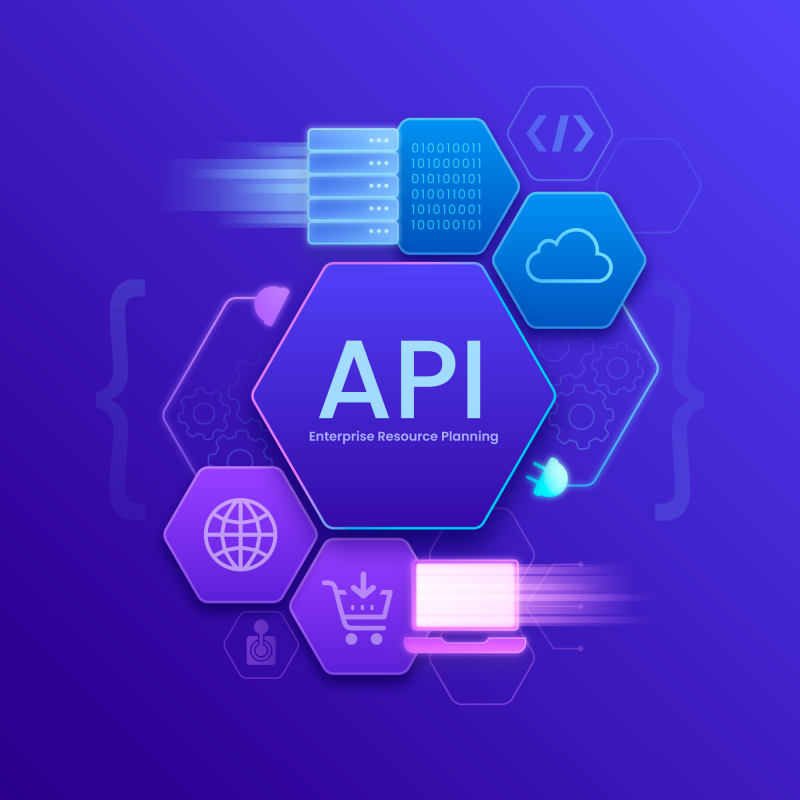
API for Custom Integration: UC solution providers these days do provide API’s for third party platform integrations. Integrations are good for data exchanges and improve business intelligence. In certain situations organizations will require additional functionality from their UC applications. This would assist organizations to automate tasks which are usually manual . Simplified customized open API’s make it easy to integrate UC system with other internal systems.
So many enterprises are stuck using complicated legacy systems that prevent them from connecting their Unified Communications systems to new applications and software, which slows the whole organization down. With Tuki automated UC lifecycle management you can sync up your UC with other internal systems and get day-to-day tasks done faster.